How to avoid scams in Morocco
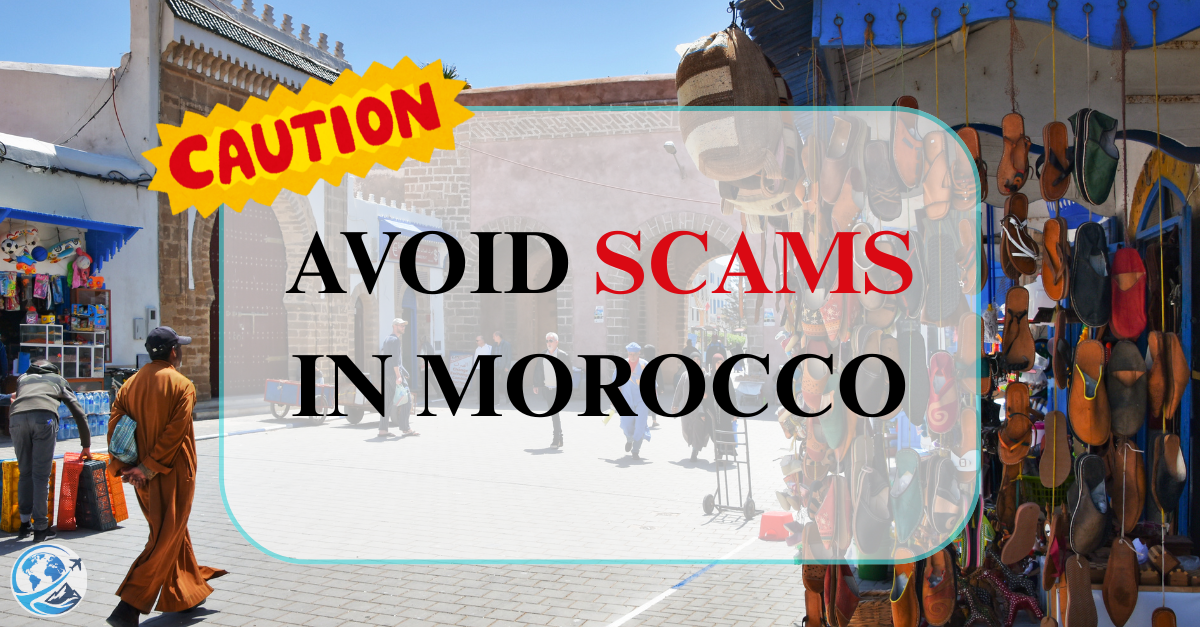
Planning a trip to Morocco is an exciting adventure. You’ll see vibrant markets and stunning landscapes. But you must stay safe to enjoy it fully. Being alert is key to a smooth and secure trip.
Knowing the local scene is your best defense. You’ll learn to spot risks early and avoid scams. This guide offers vital Morocco travel advice for a worry-free trip.
Being prepared is your greatest asset for a great vacation. With the right knowledge, you can dive into Morocco’s rich culture and warm hospitality.
Key Takeaways
- Prioritize your personal safety by staying aware of your surroundings at all times.
- Learn to recognize common tactics used in local tourist areas.
- Keep your belongings secure and avoid displaying large amounts of cash in public.
- Research reliable transportation options before you arrive at your destination.
- Trust your instincts if a situation feels uncomfortable or overly persistent.
Understanding the Landscape of Fraud Operations in Morocco
Exploring Morocco’s lively streets needs more than a map. It requires a sharp mind. The country welcomes visitors warmly, but fraud operations might target those who seem lost or distracted. Learning to spot these scams early helps keep your travel budget safe and your trip enjoyable.
Common psychological tactics used by scammers
Scammers use certain behaviors to influence your choices. They often create situations where you feel rushed or impulsive. Knowing these tactics is key to avoiding tourist scams while you’re there.
Watch out for these common tricks:
- False Urgency: Scammers create fake emergencies to rush you into making quick financial decisions.
- Overwhelming Confusion: They use loud noises or crowded areas to take your attention away from your belongings.
- Social Pressure: They act too friendly to make you feel like you owe them for a service or item.
The importance of situational awareness
Being aware of your surroundings is your best defense. When you stay alert, you become a harder target for fraud operations. Always keep your eyes on the environment, not on your phone or guidebook.
Here are simple ways to stay alert:
- Always keep your personal items close and secure.
- Watch the behavior of people around you before talking to them.
- Trust your gut if something feels off or uncomfortable.
By being vigilant, you can dodge tourist scams that prey on your distraction. Situational awareness isn’t about being paranoid; it’s about being ready. When you’re in control, your Moroccan trip will be unforgettable for all the right reasons.
Navigating Transportation and Taxi Scams
Mastering the local taxi system helps you avoid scams. Travelers often face fake prices and unauthorized services. Stay alert to keep your trip smooth and affordable.
Identifying official petit and grand taxis
Morocco has two types of taxis, and knowing them is key to your safety. Petit taxis are small and used for city travel. They have a color code like red in Casablanca or blue in Rabat, and must have a working meter.
Grand taxis are bigger, older sedans for trips between cities. They don’t use meters. Instead, they have fixed prices for certain routes. Make sure the vehicle has an official taxi sign on the roof.
Negotiating fares before departure
For grand or petit taxis without a meter, agree on the price first. Always agree on the total fare before the driver starts the engine. This way, you avoid being overcharged.
- Ask your hotel staff for the standard rate to your destination.
- Confirm if the price is per person or for the entire vehicle.
- Keep small change ready to avoid disputes over “missing” currency.
Avoiding the airport arrival surcharge trap
The airport arrival area is a hotspot for scams. Many unauthorized drivers try to overcharge new visitors. Always walk past these touts and go to the designated taxi rank outside the terminal exit.
Official airport taxis have set rates on signs near the queue. If a driver wants to charge more, say no and choose the next driver. Knowing the local prices helps protect your wallet.
Avoiding Common Street Hustles and Unsolicited Guides
Exploring the narrow alleys of a Moroccan medina can be magical. But you must watch out for street hustles targeting tourists. Knowing how these scams work helps you stay in control.
Recognizing the faux guide phenomenon
In Moroccan cities, you’ll often meet a “faux guide.” They seem friendly, saying they’re a local student or resident. They might offer to show you around.
But these guides aim to take you to shops or tanneries for a hefty commission on your buys. They might push you to buy things you don’t want. Spotting this scam is key to avoiding it.
Politely declining unwanted assistance
Being firm but polite is enough to deter unwanted help. A simple “No, thank you” in French or Arabic works well. If you feel uneasy, just keep moving.
- Use a clear, polite “No, thank you” in French or Arabic to show you are aware of your surroundings.
- Avoid making eye contact if you want to discourage a persistent solicitor.
- Keep your hands occupied with a map or your phone to signal that you are busy.
Setting boundaries in crowded medinas
Crowded areas are hotspots for street hustles. Stay focused on your goal and avoid getting lost. Looking lost makes you a prime target.
Set your boundaries by walking confidently and looking neutral. If someone keeps following, enter a busy shop or restaurant. Keeping your space safe is vital for a peaceful visit.
Protecting Your Finances During Market Transactions
Exploring Morocco’s souks needs a keen eye to keep your money safe. These lively markets are full of treasures but require safe market shopping to avoid overpaying. Keeping your travel financial security in check lets you enjoy the journey without worrying about money.
Mastering the art of the haggle
Negotiation is key in local shopping. Never accept the first price, as it’s often too high for tourists. Start with half of what they ask and aim for a fair price.
Be friendly but firm when haggling. If the price isn’t right, politely walk away. This might prompt the vendor to offer a better deal.
Verifying currency denominations
Moroccan Dirham banknotes can look alike, making it hard to tell them apart in dim stalls. Always check the bill before giving it to a merchant. Knowing the different bills helps avoid paying too much.
- Look for the number in the corner of the note.
- Keep big bills in a safe pocket.
- Don’t show too much cash when you open your wallet.
Ensuring correct change is returned
After paying, don’t rush to hide your money. Count your change right away to make sure it’s correct. If it’s not right, calmly tell the vendor.
Following these steps helps keep your travel financial security strong. It makes your safe market shopping a memorable part of your trip. Always be clear and patient to get the most from local artisans.
Identifying Fake Goods and Carpet Shop Traps
Exploring Morocco’s markets can be both exciting and challenging. It’s important to focus on safe market shopping to get the best value. Knowing the difference between real and fake items is key.
Spotting counterfeit leather and textiles
When checking leather goods, trust your senses. Real leather smells earthy, while fake smells like chemicals. Look closely at the stitching; good quality has tight, even seams.
For textiles, feel the fabric’s weight and weave. Avoiding counterfeit goods is simpler with natural fibers like wool or cotton. If a rug’s price seems too low, it’s probably fake.
Understanding the high-pressure sales environment
Sellers might offer mint tea to make you feel obligated. While it’s a nice gesture, it’s also a way to keep you there. Don’t feel pressured to buy just because you had a drink or listened to a sales pitch.
They might say it’s a “one-time offer” or the price will go up if you leave. These are tricks to make you decide quickly. You’re always in charge of your money.
Knowing when to walk away from a deal
Walking away is your best strategy. If a vendor gets pushy or the price is too high, just smile and leave. Safe market shopping means being confident in saying no to bad deals.
There are many other stalls with similar items. You don’t have to buy anything that makes you uncomfortable. Listen to your gut if something feels off.
| Feature | Authentic Artisan Goods | Counterfeit Replicas |
| Material | Genuine leather or natural wool | Synthetic plastic or acrylic |
| Construction | Hand-stitched or hand-loomed | Machine-glued or mass-produced |
| Scent | Natural, earthy aroma | Chemical or factory odor |
| Durability | Long-lasting and ages well | Prone to peeling or fraying |
Staying Safe with Accommodation and Booking Scams
Booking your stay in Morocco is key to a great trip. But scams targeting your lodging are common. Learn to spot Morocco accommodation scams to protect your budget. Taking steps early ensures a safe and comfortable stay.
Verifying listings on reputable platforms
Use trusted booking sites like Booking.com, Expedia, or Airbnb. These sites have verified guest reviews for a true view of the property. Look for consistent feedback on cleanliness, location, and staff to avoid surprises.
Be cautious of deals that seem too good. Listings without recent reviews or low-quality photos are red flags. Check the property on Google Maps to confirm its existence and location.
Avoiding bait-and-switch tactics upon arrival
Some hosts might try to switch you to a worse place after you arrive. This is a Morocco accommodation scam to watch out for. If the room doesn’t match your booking, politely but firmly ask for the original room.
Don’t accept a “downgrade” without a refund or a better hotel. Keep your luggage until you’re sure about the room. If something feels off, contact the booking platform’s support right away.
Confirming reservation details in writing
Always get a written confirmation for your stay. It should include the total price, taxes, and room details. An email trail or printed voucher is your proof if there’s a problem.
Make sure all extra fees are clear before paying. Keep digital copies of these documents to quickly solve any issues. The table below shows how to choose secure booking options.
| Booking Method | Security Level | Primary Benefit |
| Major Booking Sites | High | Verified reviews and secure payments |
| Direct Hotel Website | Medium | Potential for better rates |
| Third-Party Social Media | Low | High risk of Morocco accommodation scams |
Managing Digital Security and ATM Safety
Keeping your digital assets safe is key to protecting your travel financial security. While exploring Morocco, focus on your surroundings, not data breaches. Follow these digital security tips for a worry-free trip.
Selecting secure ATM locations
Choose ATMs inside official bank branches or secure lobbies. These are less likely to have skimming devices. Stay away from standalone ATMs in dark alleys or tourist spots.
Protecting your PIN and card information
Check the ATM card reader for any odd parts before using it. Cover the keypad with your hand or wallet to hide your PIN. Never let your credit card out of your sight, even in crowded places.
Using mobile payment apps safely
Mobile payment apps are handy but need caution. Use a Virtual Private Network (VPN) on public Wi-Fi. Also, turn on two-factor authentication for extra security.
| Payment Method | Security Level | Best Practice | Risk Factor |
| Bank ATM | High | Use inside branches | Low |
| Credit Card | Medium | Keep in sight | Medium |
| Mobile Apps | High | Use VPN/2FA | Low |
| Cash | Low | Carry minimal amounts | High |
Recognizing Official Versus Unofficial Tour Operators
Choosing the right tour provider is key to a great Moroccan adventure. Official tour operators ensure your trip is safe, professional, and reliable. Always check a company before paying to avoid future headaches.
Checking for government-issued credentials
Every travel agency in Morocco needs a license from the Ministry of Tourism. Ask to see their official registration number or a copy of their badge. Good companies proudly show these on their websites or at their offices.
If a company can’t show its license, it’s a big warning sign. Official tour operators follow strict safety rules to protect you. Make sure the license name matches your booking confirmation.
Validating tour company reviews and history
Check reviews on sites like TripAdvisor or Google Maps before booking. A company with many positive reviews is more reliable than a new one. Look for comments on the reliability of their guides and clear pricing.
Be cautious of companies with few reviews, all posted quickly. These might be fake attempts to look good. A long history of good service is a better sign of quality.
Avoiding street-side booking agents
People in medinas or tourist areas might offer deals on tours. These agents often lack legal status or insurance. Dealing with them can lead to hidden costs, bad service, or trip cancellations.
It’s safer to book through your hotel concierge or a trusted online travel agency. Skipping unofficial agents keeps your itinerary and budget in your hands. Protecting your peace of mind is worth the effort.
| Feature | Official Tour Operators | Street-Side Agents |
| Licensing | Government-certified | None |
| Pricing | Transparent and fixed | Variable and deceptive |
| Accountability | High legal standards | None |
| Safety | Insured and vetted | High risk |
Handling Interactions with Aggressive Vendors
Dealing with vendors in Morocco needs a calm and smart approach. Most of the time, interactions are okay, but some can feel like too much if you’re not ready. Learning how to talk to them can help you feel more confident.
Maintaining a firm and neutral demeanor
When a seller won’t take no for an answer, stay unmoved. A firm, neutral look tells them you’re not interested. Don’t get mad or upset, as this can make them try harder.
Speak clearly and briefly. Saying “no, thank you” is enough. Dealing with vendors means not getting drawn into long talks if you don’t want to buy.
Using non-verbal cues to discourage engagement
Your body language is key in a busy market. Avoid eye contact with those trying to sell to you. Walking with purpose shows you’re on a mission and not looking to shop.
Keep your hands busy or tucked in. This stops people from trying to give you things or show you places. Street hustlers often try to distract you, so stay alert.
Knowing when to seek public assistance
Some vendors can get too pushy or ignore your wishes. If this happens, head to a busy spot or a shop with other tourists. Dealing with vendors should never risk your safety.
If you feel scared, find a police officer or a shopkeeper who’s not trying to sell you something. Most locals will help if you say you’re being bothered. Always choose your comfort over being polite.
| Strategy | Action | Outcome |
| Verbal Response | Short, firm “No” | Reduces interest |
| Body Language | Avoid eye contact | Signals disinterest |
| Environment | Move to crowds | Increases safety |
| Engagement | Keep walking | Prevents hustles |
Essential Pre-Trip Preparation for Financial Security
Securing your money begins long before you fly to North Africa. The right preparation is key to your Morocco travel safety. It also keeps your funds safe during your trip.
Notifying your bank of travel plans
Tell your bank about your travel plans at least two weeks in advance. This stops your cards from being flagged or blocked while you’re away.
Most banks let you set travel alerts through their apps or websites. Doing this keeps your transactions smooth and your travel financial security intact while you shop locally.
Setting up travel insurance with theft coverage
Regular health insurance doesn’t cover lost personal items. Get a travel insurance policy with theft coverage for your money and belongings.
Read your policy well to know how to make claims. Always have a digital copy of your insurance info in your email or secure cloud storage.
Preparing backup payment methods
Don’t rely on just one way to pay when traveling abroad. Having different payment options is essential for secure banking abroad. It’s a safety net if your main card is lost or stolen.
- Keep a secondary credit card in a separate place, like a hotel safe.
- Carry a small amount of emergency cash in a hidden money belt.
- Make sure you can access a different bank account with a different debit card.
By having various payment methods, you ensure you always have money. Preparation is your best defense against unexpected money issues during your trip.
What to Do If You Become a Victim of a Scam
If you think you’ve been scammed, stay calm and keep yourself safe. Quick action can lessen the harm and offer you the emergency travel help you need.
Documenting the incident for authorities
Make a formal record of the scam as soon as you can. Go to the nearest police station to file a report, known as a procès-verbal. Get a copy of this document, as it’s key for insurance and legal actions.
Gather any proof that backs your claim while the details are fresh. This includes photos, witness info, and any fake documents the scammer gave you. Detailed documentation helps a lot when dealing with the police.
Contacting your embassy or consulate
If your passport or travel documents got stolen, call your home country’s embassy or consulate right away. They offer emergency travel help, like temporary documents and legal advice. Keep their contact info handy.
If you feel scared or overwhelmed, don’t hesitate to contact them. Consular officers are ready to help you through tough times. They’re your main contact for urgent assistance while you’re abroad.
Canceling compromised financial accounts
Once you know about the security issue, protect your money. Call your bank or credit card company to freeze or cancel any affected accounts. Many banks have international toll-free numbers for travelers to report fraud.
Watch your statements for any unauthorized charges. Quick action stops more loss and makes it easier to dispute charges. Proactive communication with your bank is the best way to keep your money safe.
| Action Item | Primary Goal | Urgency Level |
| File Police Report | Create official record | High |
| Contact Embassy | Emergency travel help | High |
| Cancel Bank Cards | Prevent financial loss | Critical |
| Notify Insurance | Recover possible costs | Medium |
Conclusion
Your trip to North Africa is a chance to see lively markets and old buildings. By staying informed and careful, you can travel Morocco safely. This advice helps you enjoy the amazing culture and beauty of the country.
Safe travel comes from good planning and being proactive about your safety. This guide gives you the tools to keep your money, transportation, and peace of mind safe. Now, you know how to stay calm and firm in unexpected situations.
Remember these tips as you visit places like Marrakech or Fes. Good travel advice is your best protection against scams. Enjoy your journey knowing you’re ready for a great time in this diverse place.